
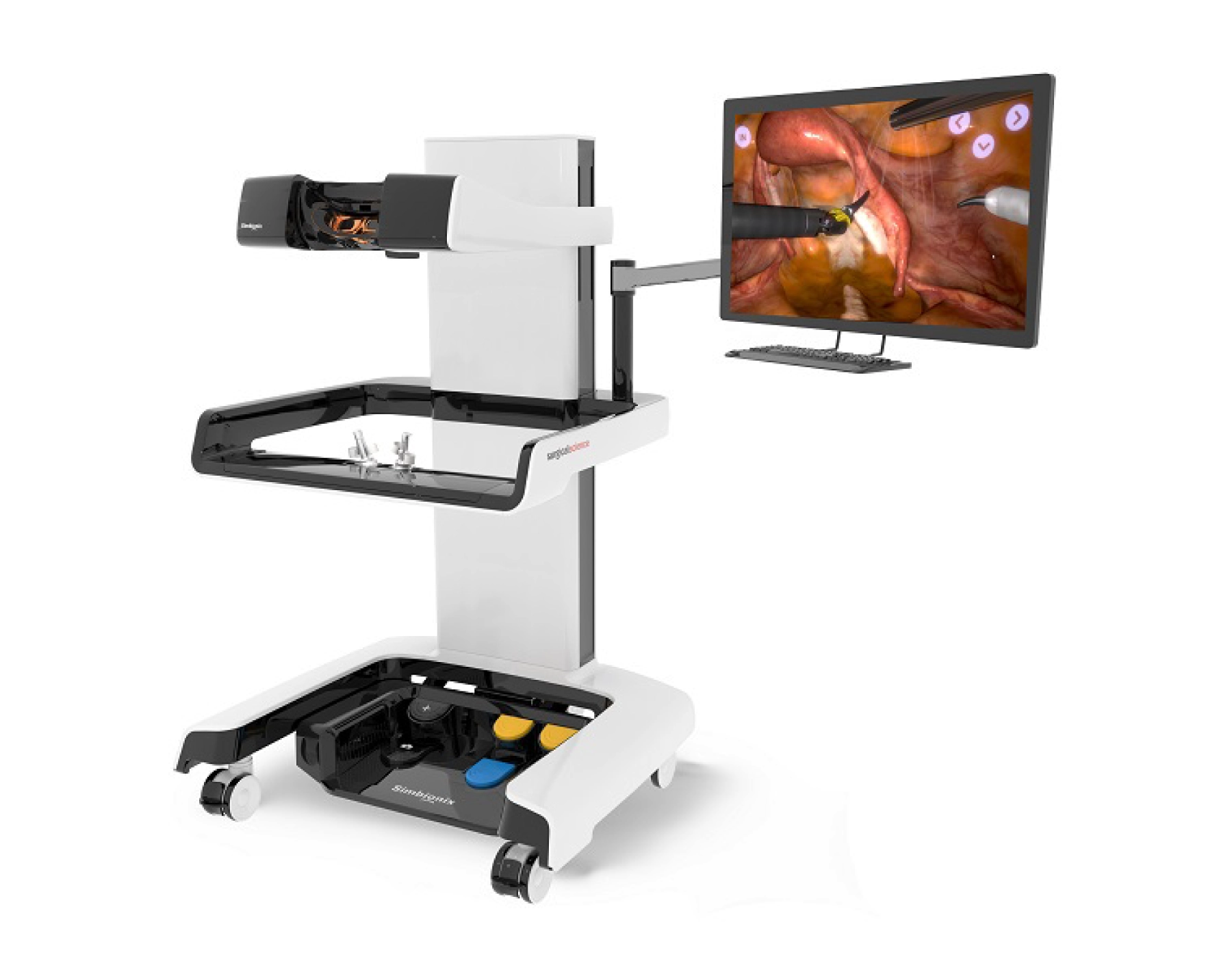



What Are Robotic Surgery Simulators?
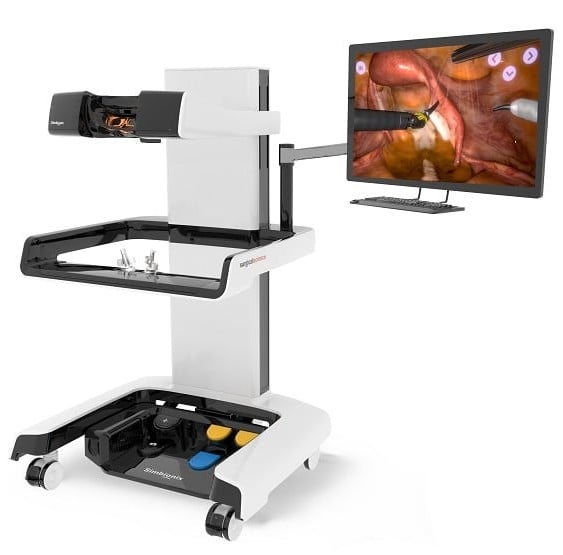
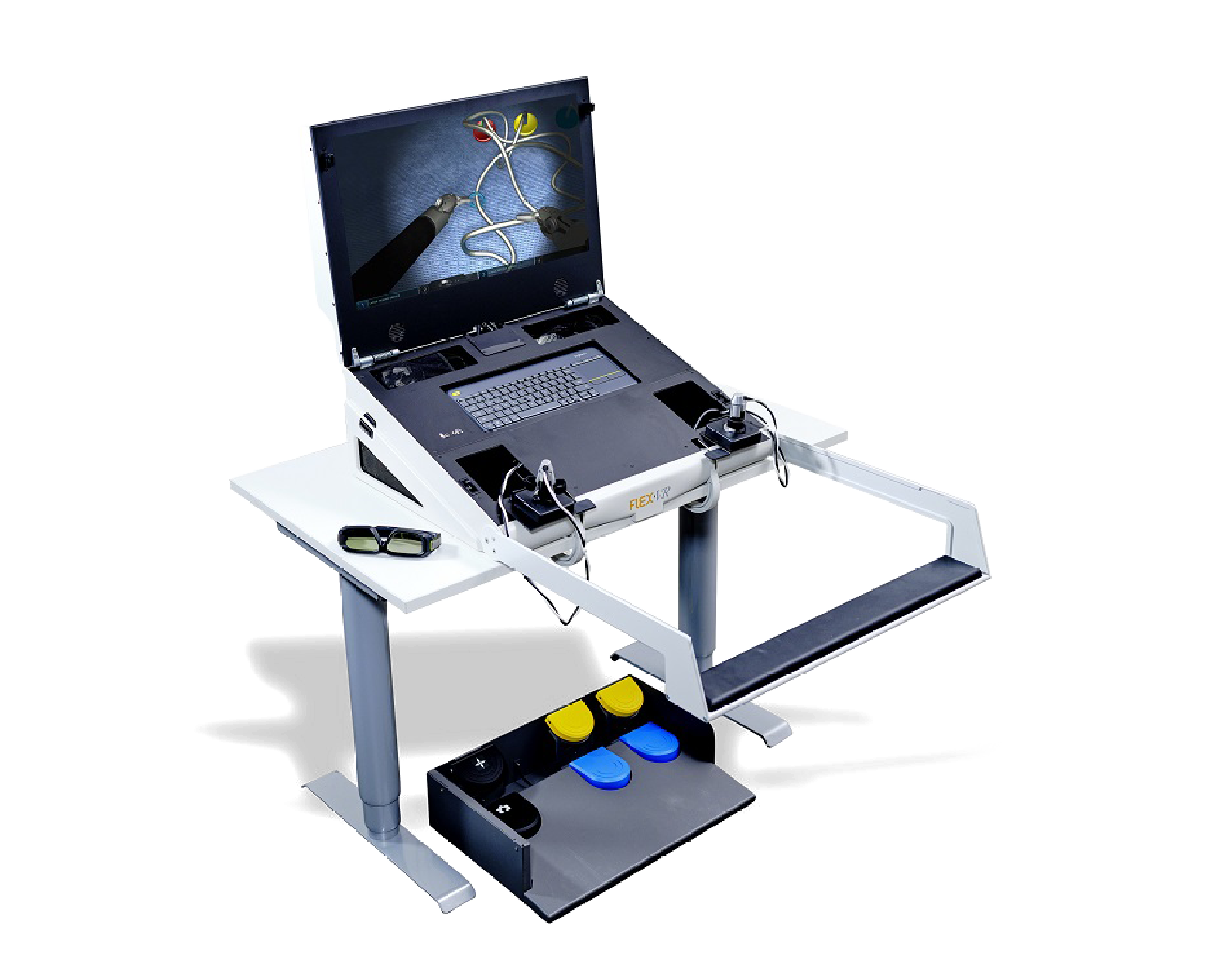
Surgical simulators for robotic training are high-fidelity platforms designed to replicate the experience of operating robotic systems in a safe, controlled environment. Drawing from advanced technologies like haptic feedback, virtual reality, and cloud-based case libraries, these simulators allow trainees to practice instrument control, procedural workflows, and complication management with measurable precision. They offer modular skill progression, real-time performance analytics, and multi-user collaboration, enabling both individual mastery and team-based rehearsal.
Key Features of Surgical Simulators for Robotic Surgery Training
Below are some of the key features found on surgical simulators for robotic surgery training.
High-Fidelity Console Replication
- Simulators closely mimic the ergonomics and interface of leading robotic systems.
- Includes realistic handles, clutching mechanisms, pedal layouts, and immersive 3D displays.
- Supports gravity-free controllers and adjustable seating for authentic console posture.
Modular Skill Progression
- Offers tiered modules from basic console handling to advanced suturing and dissection.
- Covers clutching, endoscope navigation, bimanual coordination, and non-dominant hand control.
- Enables gradual mastery of robotic dexterity and spatial awareness.
Real-Time Metrics & Feedback Assistants
- Tracks motion economy, instrument path length, precision, and error rates.
- Highlights performance gaps with visual feedback and scoring breakdowns.
- Encourages iterative improvement through data-driven insights.
Scenario-Based Training & Complication Simulation
- Includes procedural walkthroughs with branching decision paths.
- Simulates intraoperative challenges like bleeding, tool failure, or anatomical anomalies.
- Builds critical thinking and adaptive response skills.
Cloud-Connected Curriculum & Case Libraries
- Provides access to diverse surgical scenarios across specialties.
- Enables remote learning, mentor annotation, and asynchronous review.
- Supports customisable training pathways aligned with certification goals.
Team-Based Simulation Modes
- Allows multi-user collaboration for rehearsing complex procedures.
- Trains communication, coordination, and role clarity in robotic OR settings.
- Ideal for integrated team training with assistants and support staff.
Hardware-Agnostic Skill Transfer
- Designed to ensure skills learned on the simulator translate to real-world robotic consoles.
- Supports platform-agnostic training for institutions with multiple robotic systems.
- Reinforces core competencies independent of brand-specific tools.