



Robotic Spine Surgery
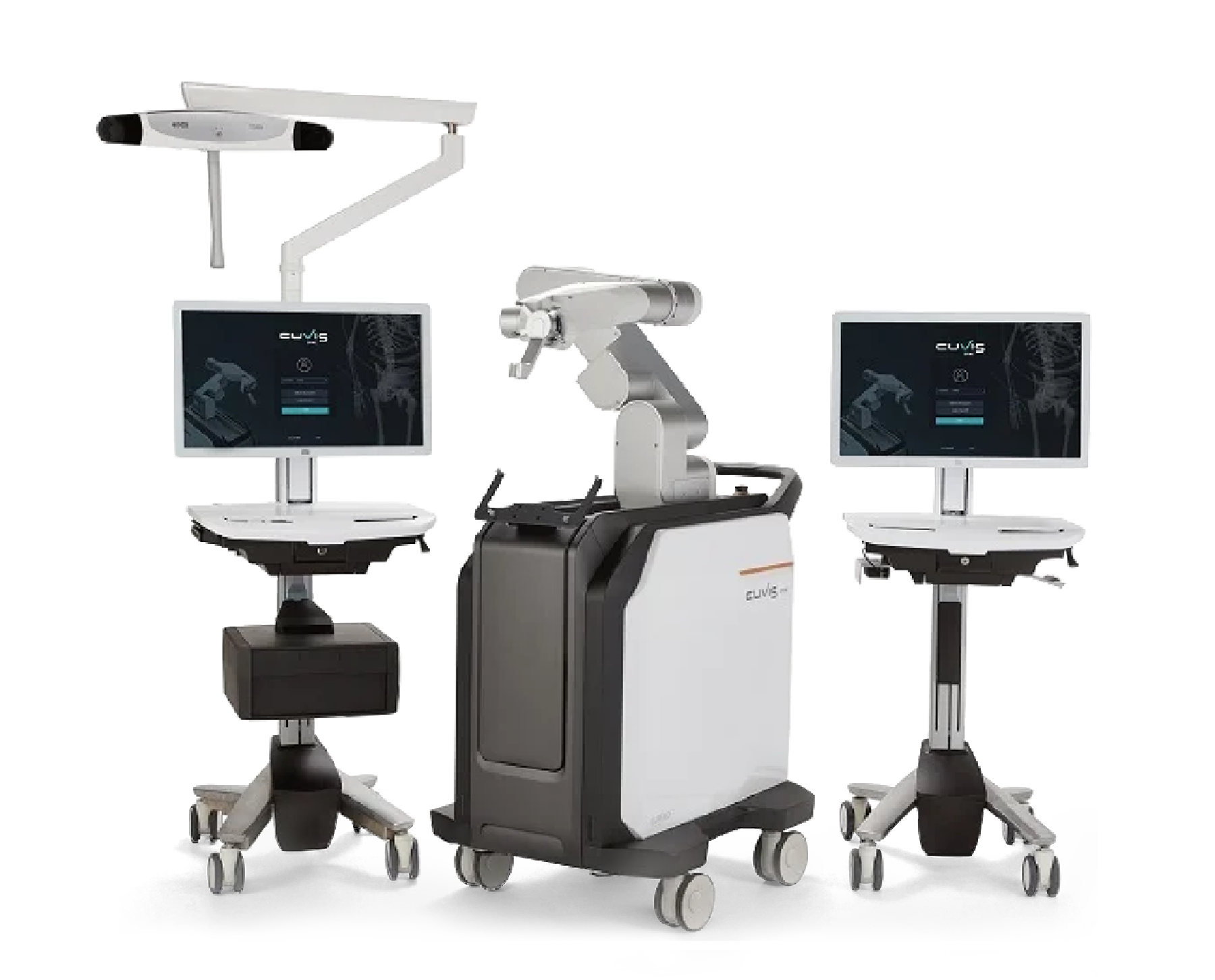
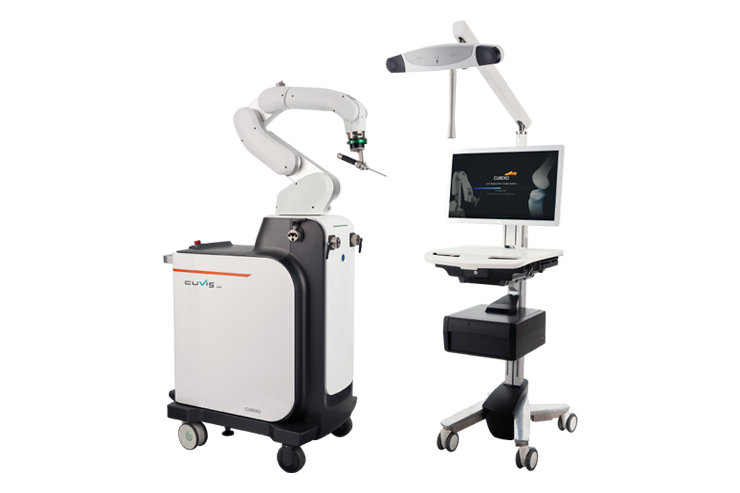
Robotic spine surgery is a type of minimally invasive spine surgery where a robotic system assists the surgeon in performing the procedure. In some instances, the surgeon will stand or sit at a surgeon console, controlling the movement of robotic arms with surgical instruments attached to them. This type of robotic system also includes a robotic arm with a camera, which provides the surgeon with a high-definition, 3D visual of the operating area. The precise instrument control and enhanced view can improve the precision of the surgery compared to traditional techniques.
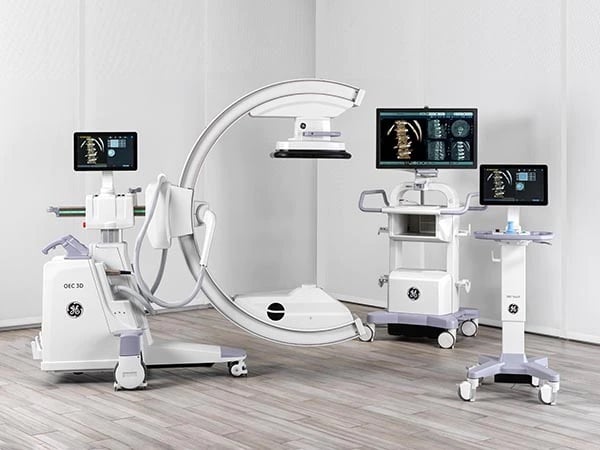
Robotic systems are also used to assist the surgeon with alignment during spine surgery. Typically, this type of system will combine a rigid robotic arm and full navigation capabilities, and is designed to improve accuracy and efficiency, and optimise patient care.
What is Spine Surgery?
Spine surgery is a surgical specialty focused on disorders of the spine. Procedures for spine surgery include open surgery, minimally invasive surgery, and robot-assisted spine surgery. Open surgery is a traditional procedure where the surgeon uses a large incision (typically around six inches in length), and patients may experience pain, long surgery times and long recovery times. In contrast, minimally invasive surgery is performed through small incisions with surgeons using specialised instruments to perform the procedures. Benefits of minimally invasive surgery compared to open surgery can include less scarring, smaller risk of infection, shorter hospital stays and faster recovery times.

Common Spine Surgery Procedures
Spinal Fusion
- Spinal fusion is a procedure that joins (or “fuses”) two or more vertebrae in the spine to create a single, solid bone. This is typically done to eliminate painful motion between vertebrae or to provide stability to a spine that has been weakened or damaged.
Laminectomy
- Laminectomy removes part of the vertebral bone (lamina) to relieve pressure on the spinal cord or nerves, often used for spinal stenosis.
Artificial Disc Replacement
- Replaces a damaged disc with an artificial one to maintain spinal mobility. Common for cervical and lumbar spine issues.
Scoliosis Surgery
- Corrects abnormal spinal curvatures using rods, screws, and bone grafts. Often involves spinal fusion for long-term stability.
Spinal Tumor Surgery
- Removes benign or malignant tumors from the spinal cord, vertebrae, or surrounding tissues.
Spinal Fracture Repair
- Stabilizes the spine after fractures caused by trauma or osteoporosis. May involve fusion, kyphoplasty, or vertebroplasty.
Minimally Invasive Spine Surgery (MISS)
- Uses small incisions and advanced tools like endoscopes or robotic systems to treat conditions such as herniated discs or spinal stenosis.
Robotic Spine Surgery
- Robotic spine surgery uses 3D imaging and a robotic arm to guide the precise placement of instruments and implants in the spine. The surgeon controls the system, using a preoperative plan to enhance accuracy and minimize tissue damage during the procedure.