




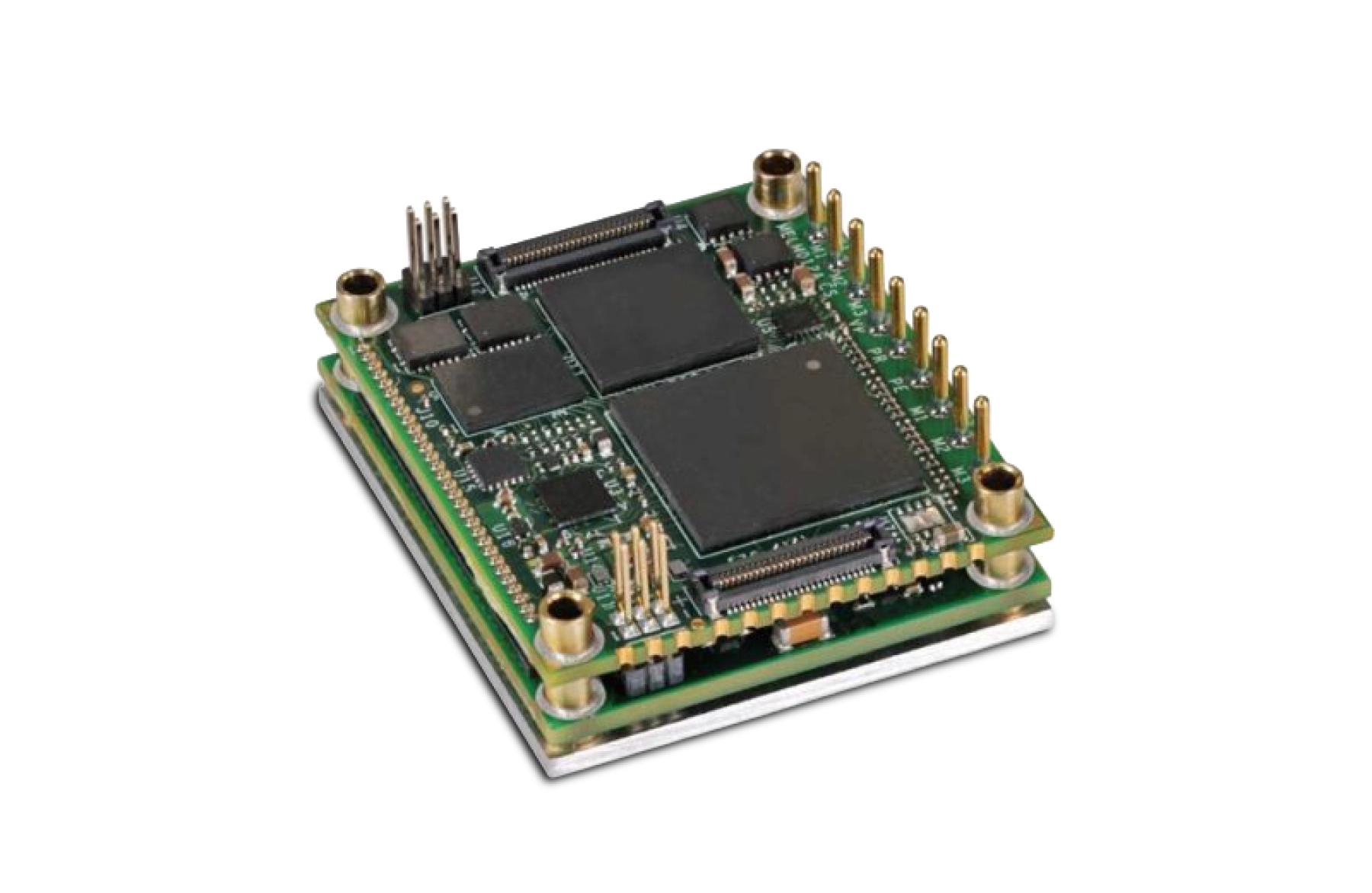
What are Electrical and Electronic Components for Surgical Robotic Systems?
Electrical and electronic components for surgical robotic systems are critical to the performance, precision, and safety of surgical robotic systems. These components enable everything from motion control and sensing to data communication and power management.
Electrical and electronic components for surgical robotic systems provide the foundation for translating a surgeon’s input into highly accurate robotic movements, ensuring delicate procedures can be performed with minimal invasiveness and maximal control.

What Are The Types of Electrical and Electronic Components for Surgical Robotic Systems?
Electrical and electronic components for surgical robotic systems are important for enabling precise control and ensuring safe operation. Below are the key types of components used in surgical robotics:
Power Supplies
- Power supplies in surgical robotics provide stable and regulated electrical power to all components such as motors, sensors, controllers, and imaging systems. They convert incoming electricity into the specific voltages and currents needed by each subsystem.
Actuation Components
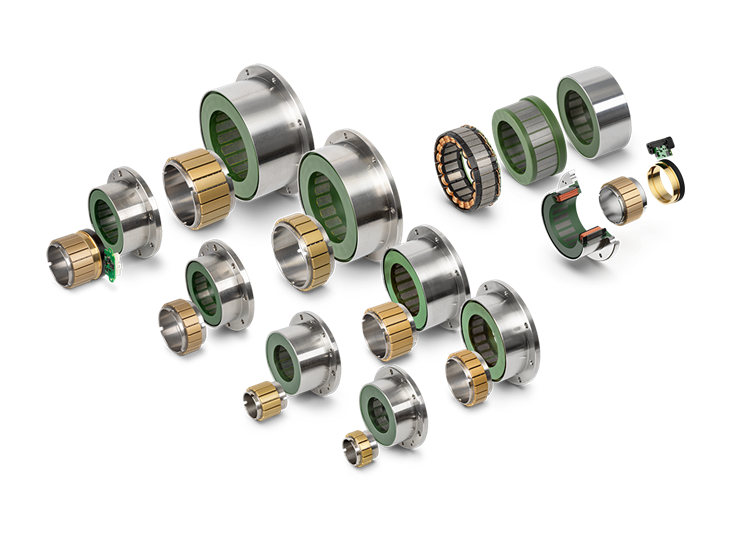
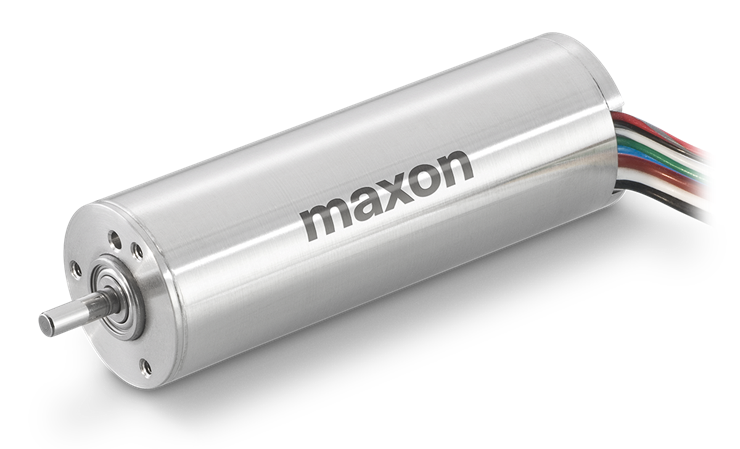
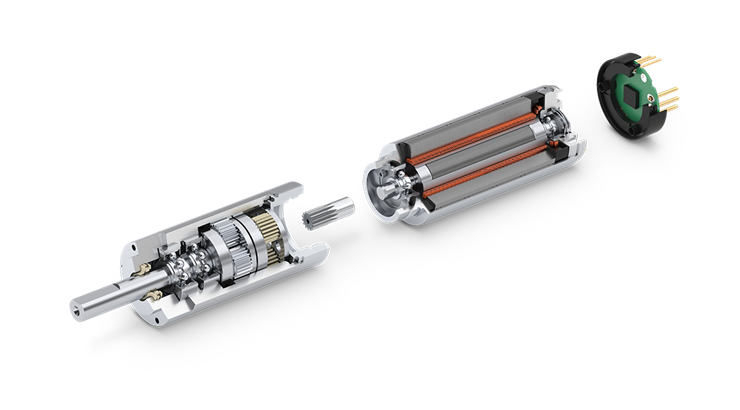
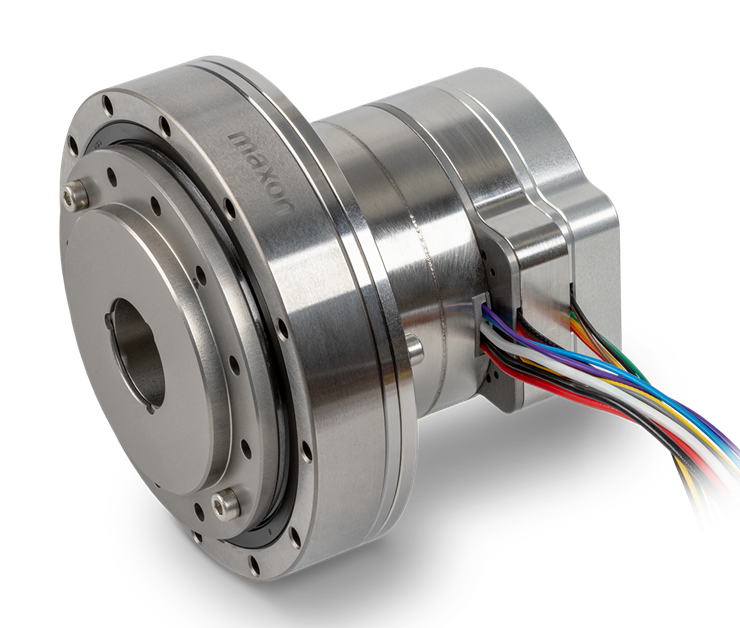
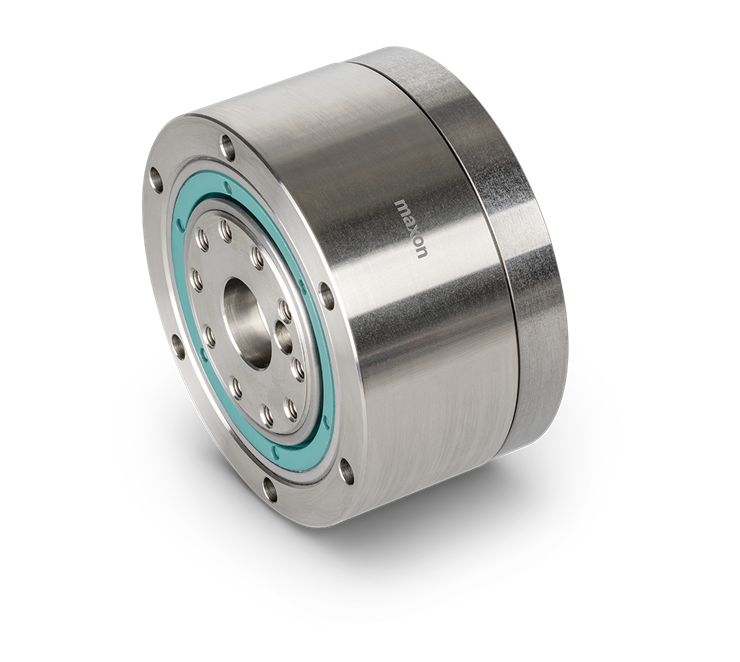
- Actuation components generate precise movement in surgical robots, powering arms, tools, and mechanisms so surgeons can perform delicate, minimally invasive procedures with exceptional control.
Sensor Components
- Sensor components provide real-time feedback on position, force, movement, and the environment, enabling surgical robots to perform precise and safe actions that often surpass human capability. Sensor components support three main functions: tracking motion and position, sensing force and pressure, and monitoring both the environment and the system itself.
Control and Processing Components
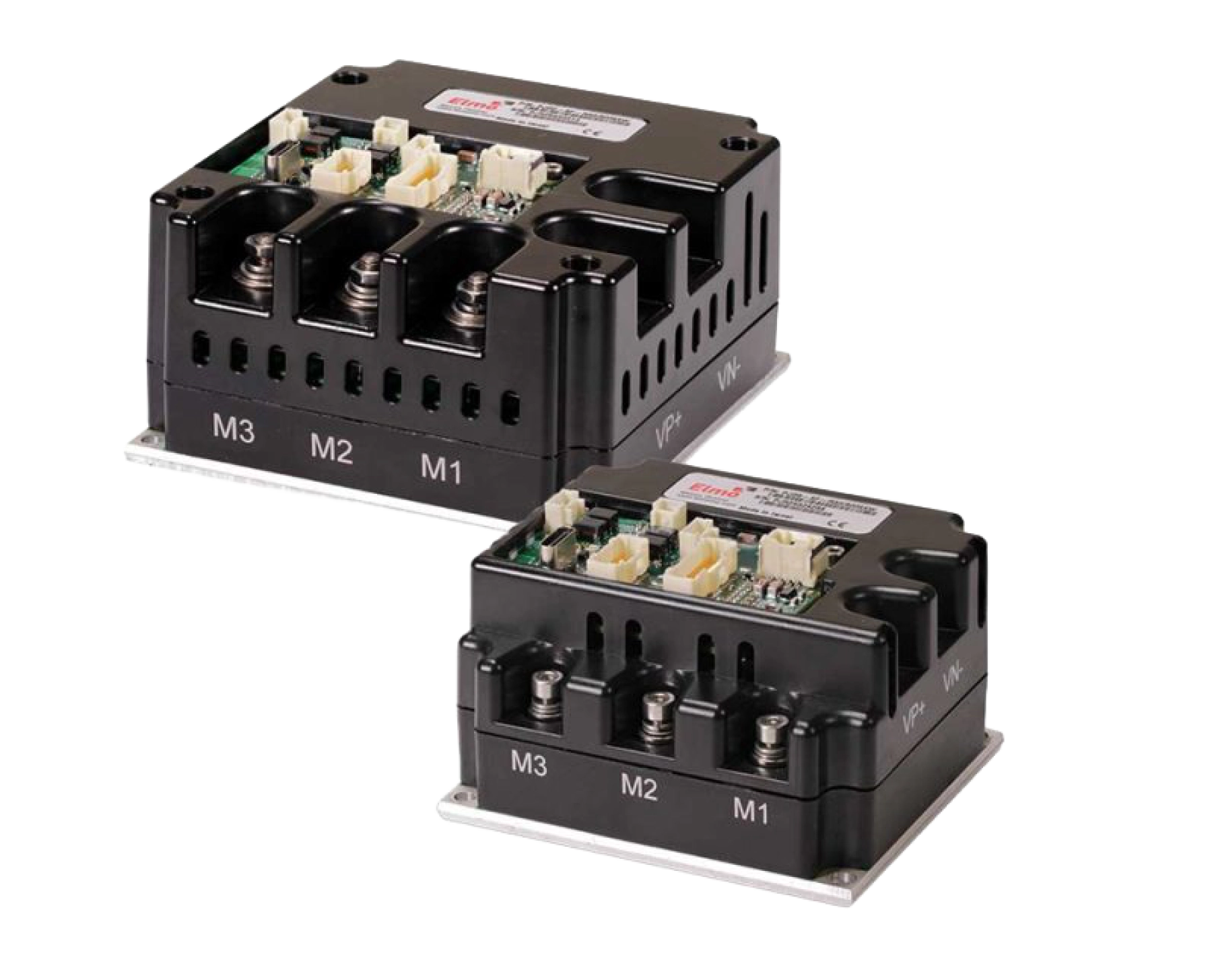
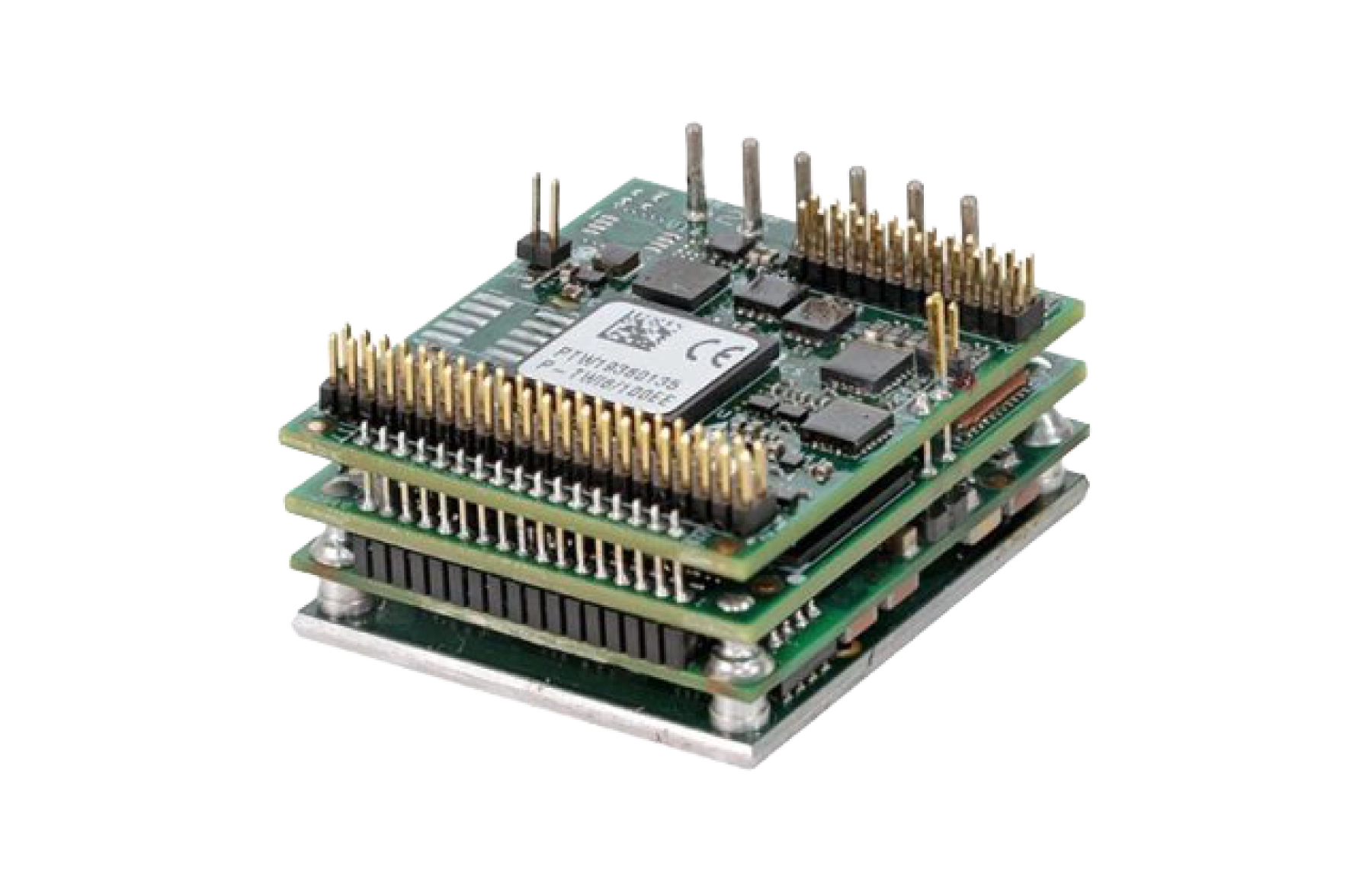
- Control and processing components process sensor input, run control algorithms, and issue real-time commands to actuators, ensuring smooth and safe performance during complex procedures.
Communication Components
- Communication components manage data flow between subsystems like sensors and actuators, as well as the surgeon’s console. Reliable high-speed communication ensures real time coordination and overall system safety throughout surgical procedures.
Human-Machine Interface (HMI) Components
- Human-Machine Interface components connect the surgeon to the robotic system, allowing precise instrument control, real time monitoring, and sensory feedback. HMI systems typically include touchscreen displays, control joysticks, haptic feedback devices, and foot pedals.
Imaging and Vision Components
- Imaging and vision components give surgeons visual feedback, navigation support, and precise targeting during procedures, enabling remote control of robotic instruments. These typically include camera modules, imaging sensors, and video processors.
Safety and Isolation Components
- Safety and isolation components protect patients and medical staff from electrical hazards, mechanical issues, and software faults. Safety and isolation components help maintain safe operation in high-risk environments by detecting malfunctions, halting unsafe conditions, and providing electrical isolation when needed. Examples include safety relays, emergency stop switches, and isolation amplifiers.
Passive Electronic Components
- Passive electronic components are non-powered essentials in surgical robots, used to control, filter, and store electrical energy. While they don’t amplify or generate signals like active components, passive electronic components are crucial for power conditioning, signal filtering, impedance matching, and maintaining circuit stability.
Connectors and Cabling
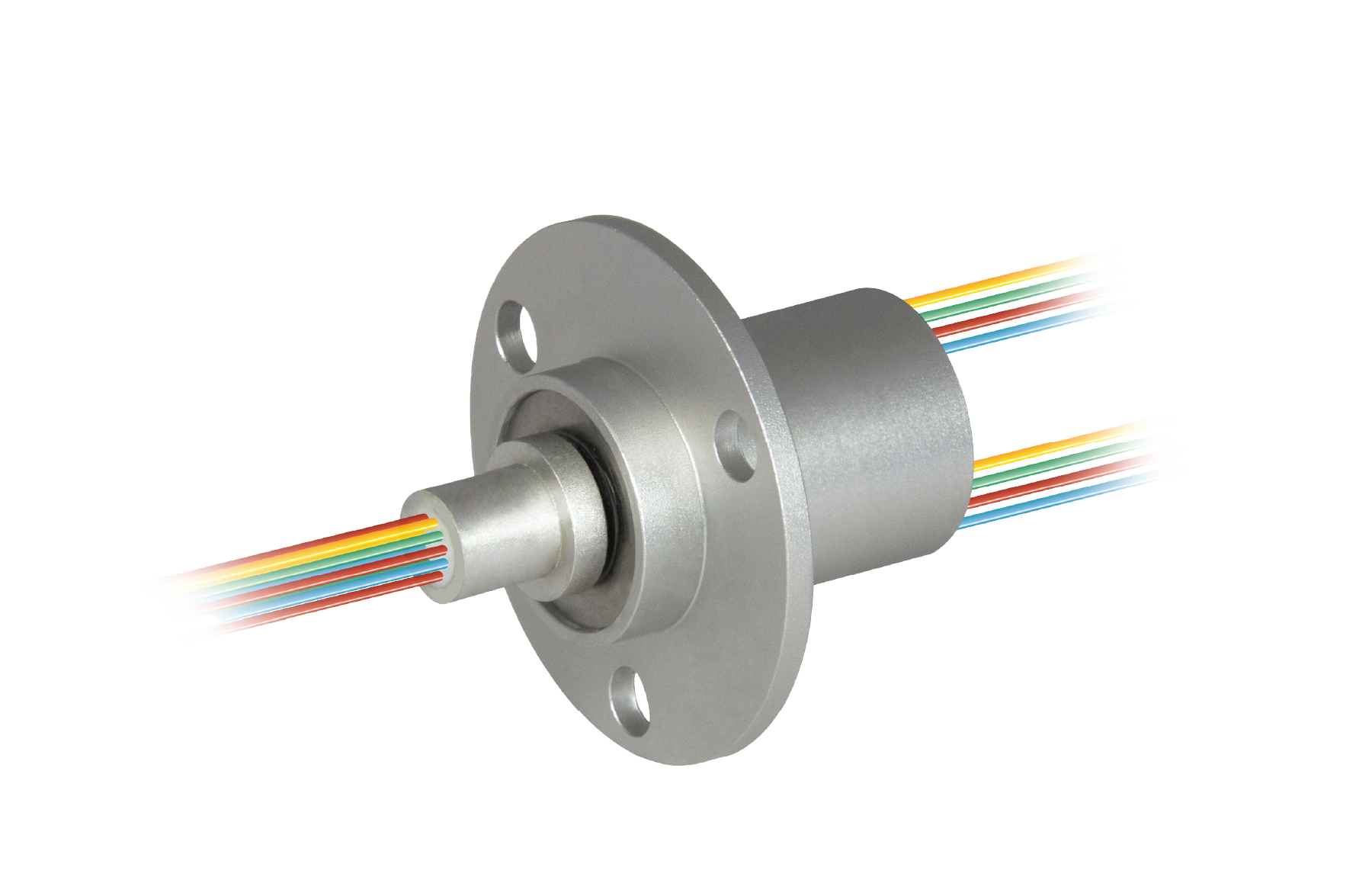
- Connectors and cabling form the physical pathways for electrical signals and power within a surgical robot. Connectors and cabling must maintain secure, interference-free connections while meeting strict standards for sterilisation, biocompatibility, and safety. Slip rings are one example, used in rotary joints of robotic arms.

What Are the Functions of Electrical and Electronic Components in Surgical Robotic Systems?
In surgical robotic systems, electrical and electronic components work together to enable precise, responsive, and safe operation. Sensors collect real-time data such as position, force, and imaging, which is processed by controllers to guide the robot’s actions. Actuators then convert these electrical signals into mechanical motion, allowing for fine instrument control. Power supply units ensure stable energy delivery, while communication modules coordinate data flow between subsystems. Human-machine interfaces (like surgeon consoles or haptic devices) allow intuitive control, and safety circuits monitor system integrity to prevent errors.