













What is a Surgical Robotic Arm?
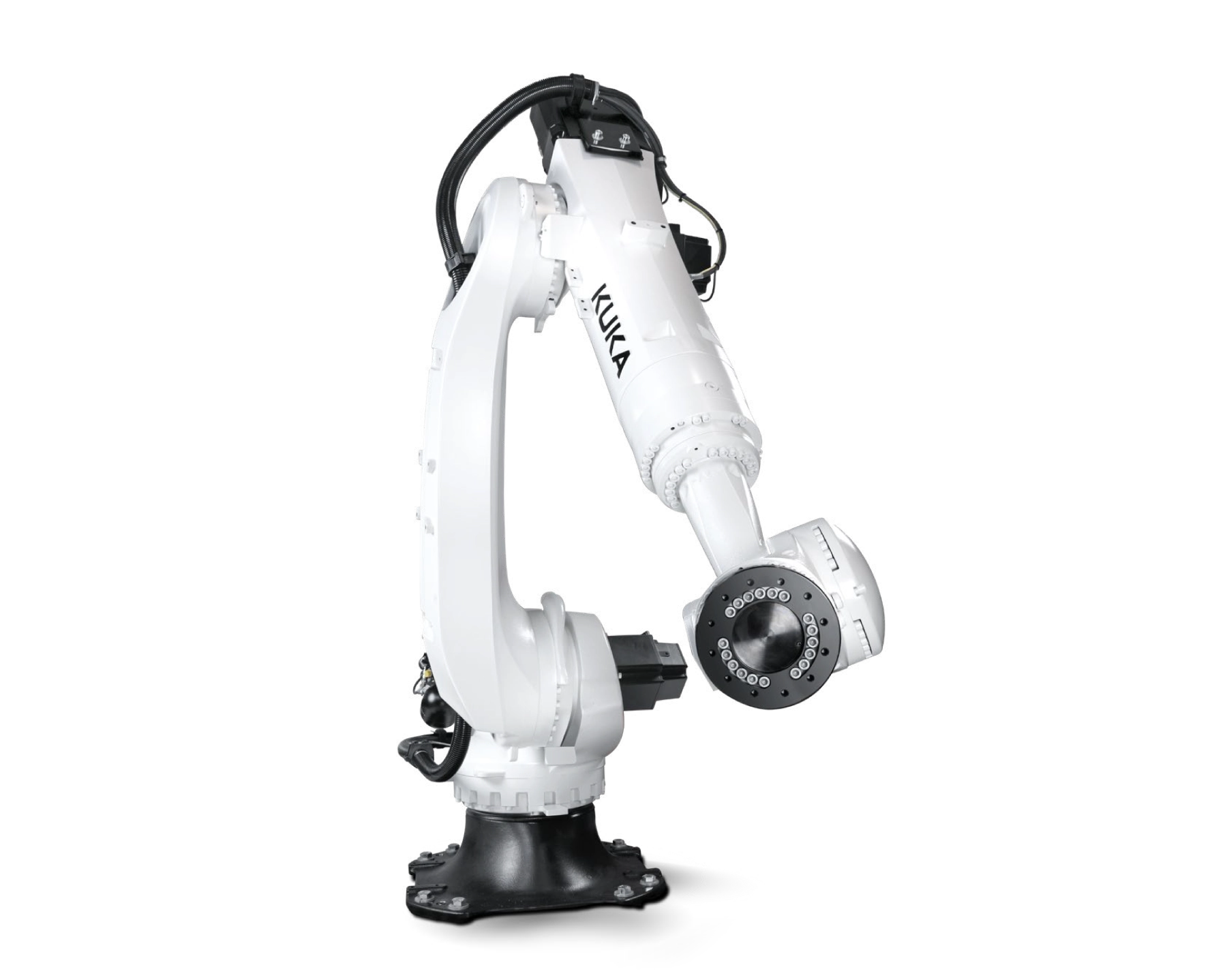
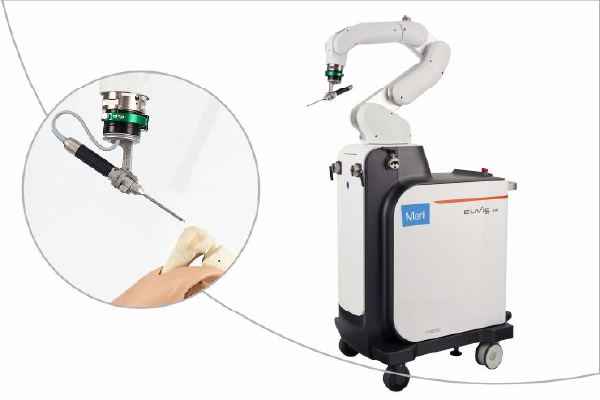
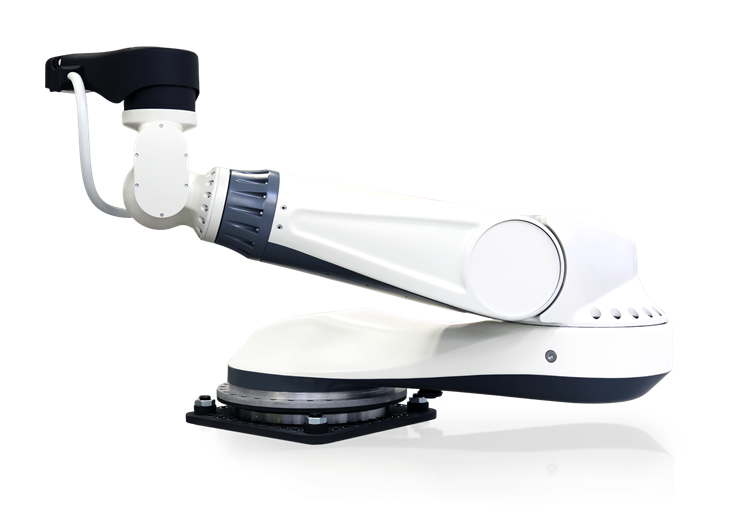
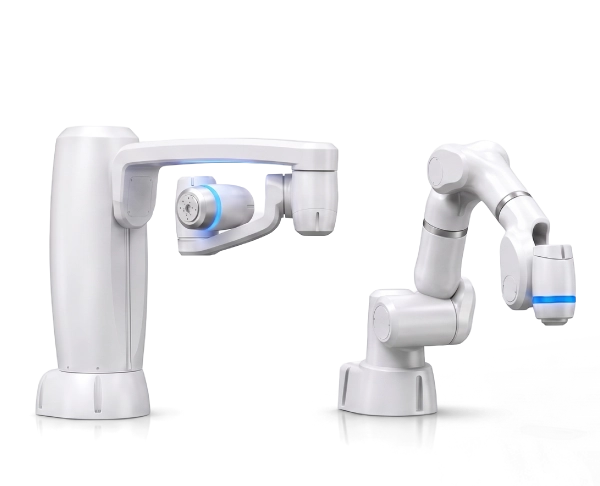
A surgical robotic arm is a type of mechanical arm which is usually programmable and functions in a similar way to a human arm. Depending on the types of procedure the robotic system is designed to perform, a surgical robot will usually have between one and four arms. For example, surgical robotic systems for minimally invasive surgery often include a robotic arm with a camera and multiple robotic arms with instruments attached to them.

Common Surgical Robotic Arm Procedures
Prostate Surgery
- The robotic arm enables ultra-precise dissection around delicate nerves and tissues, helping preserve urinary and sexual function.
Hysterectomy
- The robotic system allows for precise cutting and suturing in tight pelvic spaces with enhanced 3D visualisation.
Colorectal Surgery
- Robotic arms facilitate stable, fine movements for resecting and reconnecting bowel segments in hard to reach areas.
Cardiac Surgery
- The robotic arms allow surgeons to operate on the heart through tiny incisions with tremor-free precision and detailed internal views.
Bariatric Surgery
- The robot enhances control during complex suturing and stapling of stomach tissue in weight-loss procedures.
Thoracic Surgery
- The robotic system provides access to the chest cavity with articulated instruments that mimic the surgeon’s hand movements at a micro scale.
Kidney Surgery
- Robotic arms assist in delicately removing part or all of the kidney while preserving surrounding structures and minimising blood loss.
Gynaecologic Oncology
- The system allows for careful tumour removal and lymph node dissection with magnified 3D imaging in complex pelvic anatomy.
Hernia Repair
- The robot helps place and secure mesh with precise tension and positioning, reducing recurrence and complications.
Head and Neck Surgery
- Robotic tools provide access to tumours in the throat and mouth through the mouth itself, avoiding large external incisions.